

 October 28, 2026
Empowering Independence Through Technology
It’s hard to find a home today that isn’t impacted by technology, from our private bedrooms and bathrooms to our kitchen and laundry areas. What might be small conveniences for some are critical tools for independence for others. By 2035, it is projected that there will be more adults over 65 than children under 5. Additionally, the World Health Organization estimates that one in six people lives with a disability.

Don’t miss this interactive showcase dedicated to technological advancements that support independent living for older adults and people with disabilities.
2026 Smart Home Expo Details:
When: October 28, 2026 | 9:45 a.m. – 5:00 p.m.
What: The 4th Annual OPEN MINDS Smart Home Technology Expo will highlight innovative smart home technologies through a series of 30-minute demonstrations used today by health and human service agencies to support independence in community-based living.
How: This room will showcase 30-minute demos of smart home solutions that offer a firsthand look at how innovative home-based technologies can be used to improve health outcomes and enhance consumers’ lives.
Discover the schedule of innovative solutions below!
The 2026 OPEN MINDS Smart Home Expo Schedule
Remote Support/Heylo Technologies Demo
Heylo Technologies aims to solve the lack of interoperability within a remote support platform for the I/DD and Aging populations. Heylo is a new support platform that takes away the need for remote support professionals to toggle between platforms and devices to provide the same level of care as if there were in-person staffing. Heylo integrates intuitive software with dependable hardware—such as motion sensors, door sensors, cameras, and health monitoring devices—to enable 24/7 support and emergency response. The Heylo platform was designed to enhance independence, safety, and quality of life while reducing the need for constant in-person staffing. Heylo gives agencies the power to provide their own remote support and ensure that those they support are given the care they need.
Brian Hart

Brian Hart is the CEO of Heylo Technology. He has made it his mission to push the boundaries of what options exist for adults with disabilities. He is never satisfied and believes there is always a better way to increase the independence of others and break down the systemic barriers that hold them back. He has been at the forefront of expanding services through the use of technology enabled supports and community clusters of services. Through his work, Brian has been able to assist agencies across the country to implement technology first and remote support to increase the number of individuals they support. Brian believes that technology enabled support is the solution to the problems facing I/DD and Mental Health support agencies, and he is excited to be at the forefront of assisting agencies in this change.
AI-Guided Assistive Technology Platform/MapHabit Demo
MapHabit is an AI-guided assistive technology platform that supports individuals with intellectual and developmental disabilities (IDD), autism, and related cognitive impairments to build independence through personalized visual routines. It complements the broader smart home ecosystem by promoting daily independence within the home itself, helping consumers remain in community-based living rather than institutional or facility-based care. The platform delivers step-by-step guidance for daily living activities — medication management, hygiene, meal preparation, appointments, and household routines — directly in the home, paired with caregiver and care-team dashboards. Rather than simply issuing reminders, MapHabit teaches and reinforces independent task completion over time through visual, repeatable routines tailored to each consumer’s cognitive level and support needs.
Adam Klein
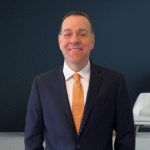
Adam Klein, LPC, is Vice President of Growth & Sales at MapHabit and a Licensed Professional Counselor with more than 20 years of leadership experience across behavioral health, managed care, quality improvement, case management, and program innovation. Beginning his career working directly with children and families in therapeutic foster care, Adam has remained passionate about designing and implementing programs that improve outcomes for individuals with complex behavioral, cognitive, and developmental needs.
Today, Adam works with health plans, provider organizations, schools, and state agencies to expand the use of assistive technology that promotes independence, reduces caregiver burden, and supports better health outcomes. He is especially passionate about helping organizations translate innovative technology into sustainable, person-centered care models. He is also passionate about helping organizations responsibly leverage technology and artificial intelligence to improve care delivery while keeping individuals and families at the center of every solution.
What Adam enjoys most is spending time in the community with providers, caregivers, and families and hearing firsthand how technology is making a meaningful difference in people’s daily lives. He is incredibly proud to be part of the MapHabit team and the organization’s mission to empower individuals through practical, evidence-based innovation.
Outside of work, Adam enjoys spending time with his family, cheering on his son at sporting events (and occasionally teaming up for video games), and exploring new restaurants and TV series with his wife.
My25’s Digital Food As Medicine For Smart Homes

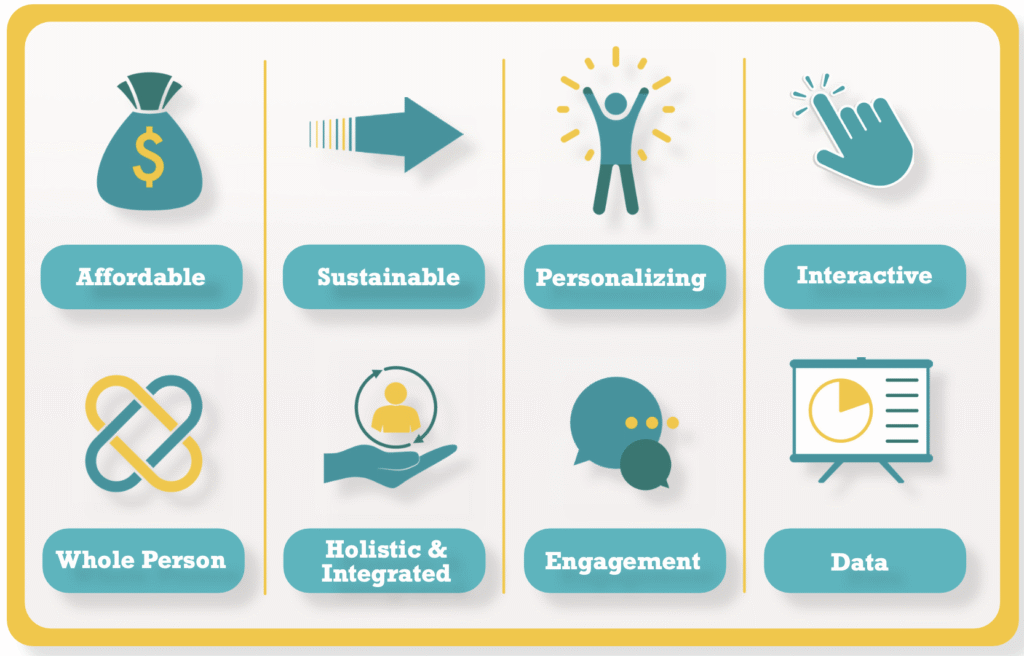
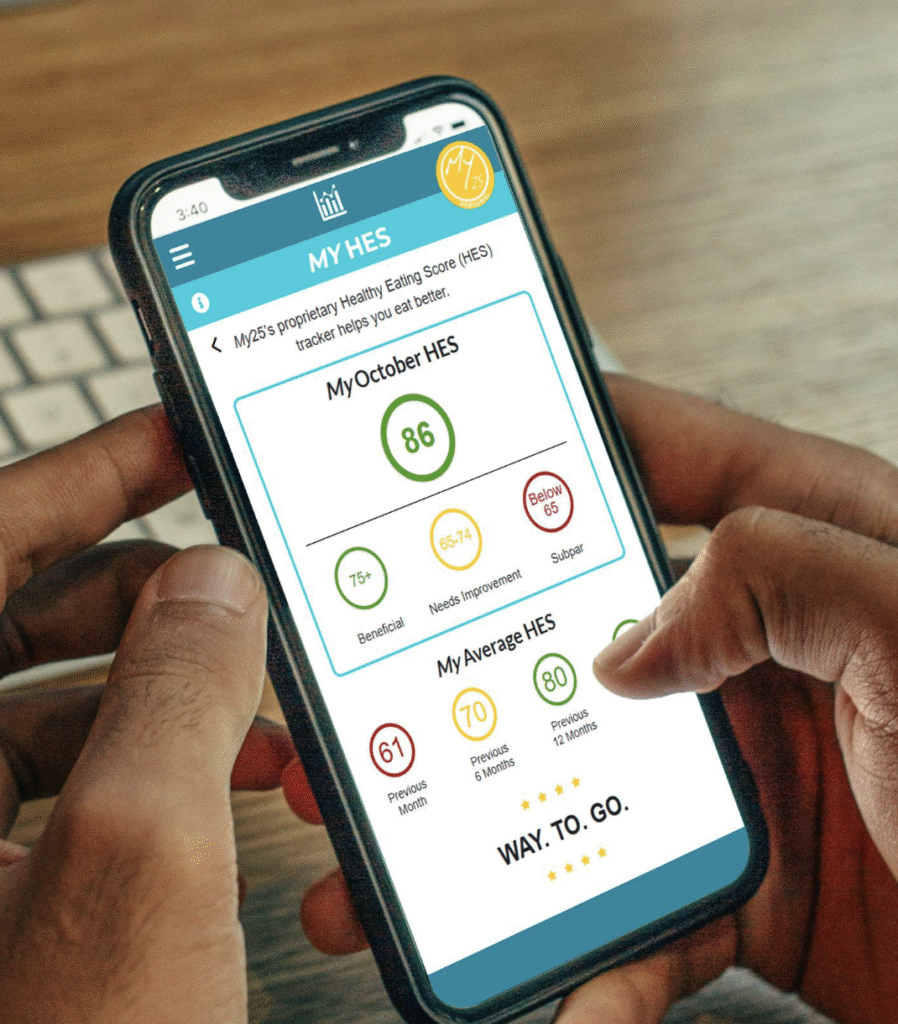
My25, powered by Mainstay, provides individuals with specialized needs (and any associated caregivers and staff) with the tools and tailored resources to materially improve their nutrition, health, and independent living skills on a person-centered and budget-sensitive basis via digital, interactive resources. Menu planning, grocery shopping, and recipe prep are scaffolded by high engagement and robust educational resources in 81 languages and a multimedia format.
James Vail

Jim co-built a nationwide enterprise, maximizing quality of patient care and reduced costs in hospitals, that was acquired by a Fortune 500 healthcare company. Following this successful endeavor, he made his most consequential, long-term career change. The human services organization supporting people with IDD in community-based settings—where he sat on the Board of Directors—asked Jim to step up as their CEO. He decided to immediately and simultaneously tackle the most pressing challenges, which he came to understand as largely endemic to the industry overall: the poor nutrition/health of people supported along with haphazard compliance regarding person-centered choice; inexperienced, high turnover staff; and budget-strapped operations. Jim noted that these various needles hadn’t moved much—and certainly never in tandem—despite attempts over many years by a host of status quo “solutions.”
Jim quickly concluded that little in a group home day occupies as much time, passion, cost, and safety concern as does food. So a key priority centered on mealtime and its associated linkages. Within 18 months of Jim’s tenure, the organization received one of the first-ever, 4-year CQL accreditations and was financially robust for the first time in over a decade, with much healthier consumers. This transformation and its possibilities planted the seed for Mainstay, Inc. and its My25 brand . . . a holistic, integrated approach to Food as Medicine, tailored for people with specialized needs on a person-centered basis via digital supports.
Building strategic partnerships and collaborations with the United States Department of Agriculture (USDA), professionals from the Feinberg School of Medicine, Walmart, SNAP officials, and legislators, Jim pioneered My25’s launch and growth. The company now spans 37 states, with a suite of digital Food as Medicine products, as a for-profit commercial enterprise among the nation’s leading human services/healthcare organizations for tens of thousands of people in waiver, ICF, and supported/independent living settings.
Fueled by Mainstay’s highly-respected team, proprietary software—and now A.I. integration—Jim is focused on forging a broader base of partners to positively impact more individuals, stakeholders and funders. He recognizes amplified, broad-based need for simultaneous outcomes regarding clinical health, social health, engagement, education, operational efficiency, food (and additional) cost reduction, and Medicaid savings contribution. Jim often credits My25’s overarching success to the actionable data Mainstay tracks and trends in real time and “. . . figuring out how to stem the leakages long getting in the way of sustainable, affordable nutrition/preventive health on a person-centered basis for this vital population—not just the 5% most unwell, but a majority.”
Jim is a graduate of both Davidson College where he received his BA in Economics and Northwestern University’s Kellogg School of Management where he received his MBA. Jim lives in the Chicago area with his wife, who helps catapult Mainstay forward as its COO and co-founder. Three adult children each live a stone’s throw away; they often meet up with Jim on the golf course, but are honor bound to promise no snickering at his short game.
Remote Supports & Technology Services/SafeinHome Demo
SafeinHome Remote Supports blends around-the-clock remote support staff with assistive and sensor devices to enable independent living—in the least restrictive way. They provide support services to people with intellectual and developmental disabilities and aging adults. Their remote staff members are trained in behavioral health techniques, and they help reduce the feelings of isolation & anxiety by being always on and available. SafeinHome utilizes a powerful combination of sensors, wearable, and assistive technology to ensure the safety of its clients. These tools encourage and enable self-determination for the individual while addressing the concerns of caregivers & case managers. With a retention rate of 98.5%, they are reshaping support models, increasing efficiency, and empowering individuals to live more independently.
Season Jackson

Born and raised in Northeastern Pennsylvania, Season Jackson has dedicated more than 25 years of her career to supporting individuals with intellectual and developmental disabilities and their families. She began her career as a Direct Support Professional and progressed through a variety of case management and leadership roles, ultimately serving as Director of Case Management Services for a large provider organization. In this role, she provided leadership and oversight for multiple home- and community-based service programs across Pennsylvania and New Jersey.
Throughout her career, Season has developed extensive experience in case management, program development, provider operations, community-based services, and supporting individuals to achieve greater independence. She holds degrees in Criminal Justice and Human Services and is a certified Pennsylvania Supports Broker.
Season joined SafeInHome in 2021, combining her commitment to the disability community with a new focus on expanding access to Remote Supports and Assistive Technology throughout Pennsylvania. In late 2025, she was promoted to Pennsylvania’s District Manager, where she leads statewide efforts to strengthen and expand Remote Supports. Her work focuses on developing sustainable partnerships with provider organizations and community stakeholders, supporting innovative service solutions, educating professionals and families about Remote Supports, and helping create meaningful pathways to greater independence.
Season is passionate about advancing person-centered approaches that use technology and human connection to give individuals greater choice, autonomy, and opportunity to live safely and successfully in their own homes and communities.
Outside of work, Season is a busy mom of four who enjoys crime podcasts, concerts, cooking, and spending time with family and friends.
Stephanie McDonald

Originally from New York, Stephanie McDonald earned her Bachelor of Arts from the University at Albany, with concentrations in Psychology and Biology. She brings more than 25 years of experience supporting individuals with intellectual and developmental disabilities, autism, behavioral health needs, and other complex support needs across educational, residential, community-based, and behavioral health settings.
Stephanie began her career with BOCES (Boards of Cooperative Educational Services), serving as an Emotional Support Para-Educator for children with autism. She later worked as a Residential Coordinator supporting individuals who had transitioned from the Willowbrook State School into community-based living.
After relocating to Pennsylvania in 2005, Stephanie continued her career as a Supports Coordinator, working with individuals with disabilities across the lifespan, from young children through older adulthood. She subsequently served as a Behavioral Specialist supporting adults and older adults with intellectual disabilities and co-occurring mental health needs.
Stephanie then spent more than 15 years with a large provider organization in Northeastern Pennsylvania, where she served as Director of Residential and Life Sharing Programs for individuals with intellectual disabilities and autism. Her extensive experience in service coordination, behavioral support, residential services, and program leadership provides her with a comprehensive understanding of the diverse needs of individuals, families, and support teams.
In 2022, Stephanie joined SafeInHome, where she supports individuals in achieving greater independence through Remote Supports and Assistive Technology. She is passionate about person-centered solutions that enhance independence, safety, choice, and quality of life for individuals across a variety of living environments.
Outside of work, Stephanie is married and the proud mother of two energetic children. She also shares her home with three considerably less energetic bulldogs and is a passionate New York Yankees fan.
Wearable Assistive Technology/BoundaryCare Demo
BoundaryCare is a wearable-based platform that connects individuals and care teams through communications and alerts. BoundaryCare can monitor for a wide variety of potential incidents – including falls, elopement, certain types of seizures, and proactive help requests – and notify care teams no matter where they are, thanks to built-in cell service on the watch that also supports auto-answering inbound calls from caregivers. BoundaryCare also tracks vitals, activity, and sleep to inform on individuals’ overall well-being, and can deliver text or image-based reminders for ADLs, guides for specific tasks, or biofeedback directly to the individual’s watch. A simple and cross-platform caregiver interface helps front-line caregivers quickly get up and running, while the broad spectrum of use cases, population-management features, and integration with remote support solutions help providers simplify and optimize their technology stacks for care delivery.
Paul Carpenter

Paul Carpenter is the co-founder and head of product and technology for BoundaryCare, a platform that uses real-time data and thoughtful design to help individuals gain and maintain independence while relieving stress from their caregivers. Paul spent over ten years working as an engineer at top technology companies until his own family’s experiences pushed him and his father Scott – a college professor and former technology entrepreneur – to tackle the challenges of caregiving head-on. At BoundaryCare, he applies methodologies for continuous improvement drawn from his technology background to power his vision for making BoundaryCare the most inclusive and comprehensive solution for individuals, families, and providers.
AI-Powered Camera Systems/Oddity.ai Demo
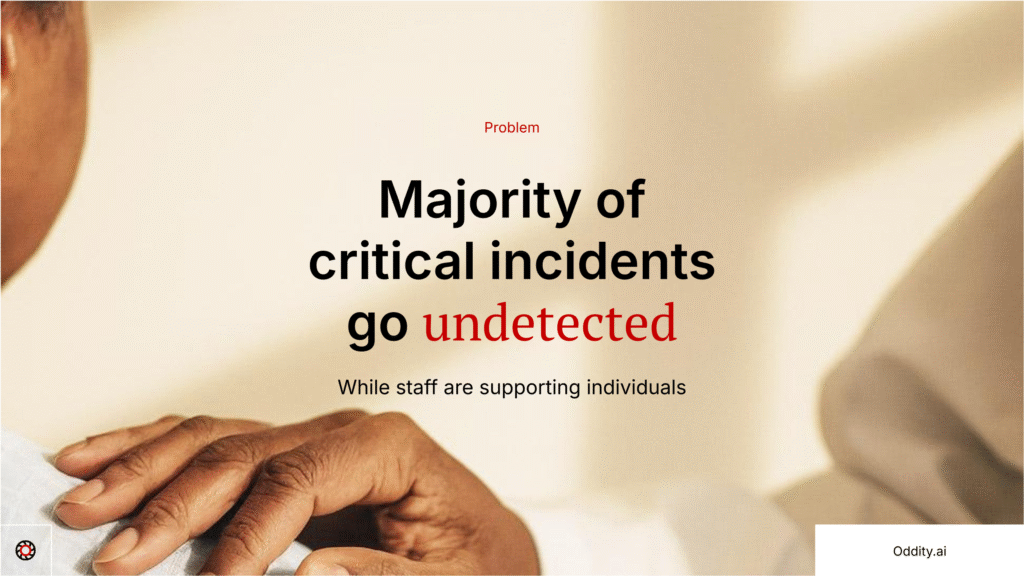
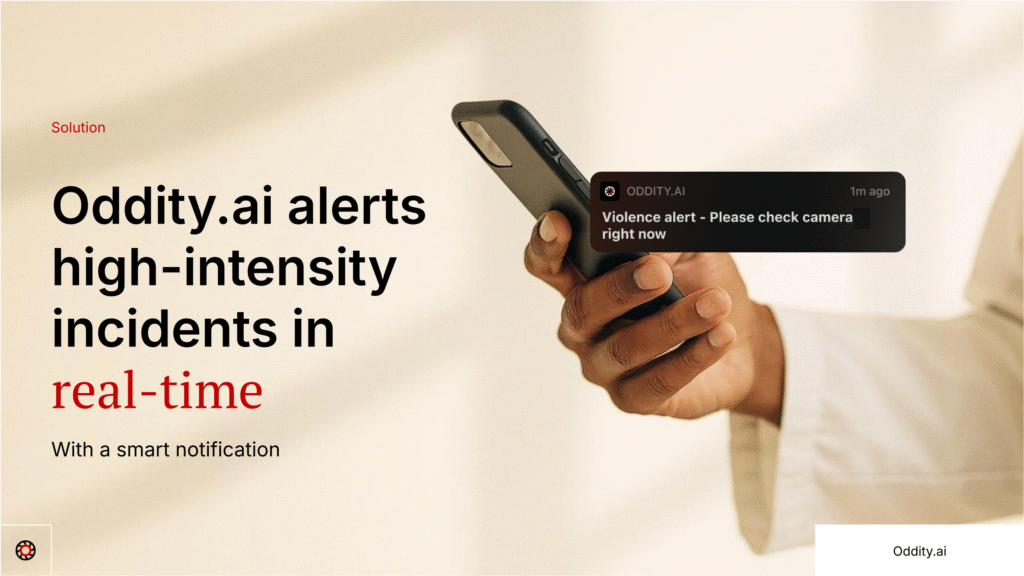
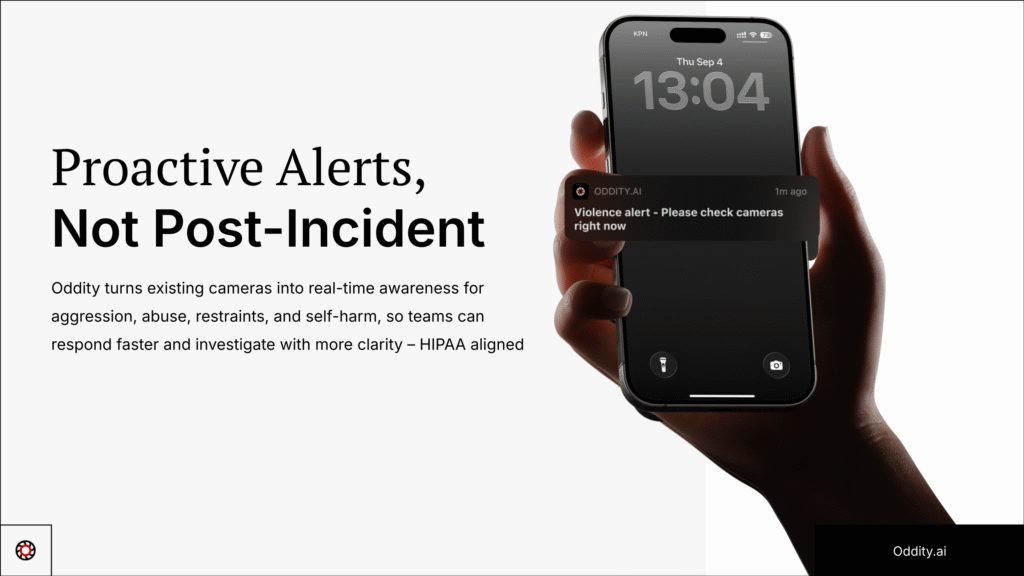
Oddity.ai adds a real-time safety layer to existing camera systems in residential and community-based care settings. The platform detects high-intensity incidents such as aggression and self-injurious behavior, then sends real-time alerts and short video clips to designated staff on their smartphones. This helps providers move from reactive incident review to real-time awareness, so they can respond faster and support safer environments for people with intellectual and developmental disabilities.
Thomas Alflen

Thomas Alflen is the founder of Oddity.ai, an AI company built on years of applied computer vision research and now dedicated to helping human service organizations protect vulnerable people in care environments. Long before AI became a mainstream topic, he was working at the forefront of applied computer vision, building systems that recognize high-intensity human behavior in real-world settings.
Today, he focuses on helping providers supporting individuals with intellectual and developmental disabilities understand and responsibly adopt AI. Through Oddity.ai, he works with organizations to layer real-time behavioral alerts onto existing camera systems, helping staff identify moments such as aggression, self-injurious behavior, and restraints sooner.
Thomas regularly speaks about how vision AI works, how algorithms are trained, and how these technologies can be deployed with privacy by design. His mission is to make AI practical, understandable, and trustworthy for organizations working to create safer, more independent lives for the people they support.
TLS’s EVOLVE™/Tranquility Lifestyle Solutions Demo
Tranquility Lifestyle Solutions provides an innovative, scalable model of community wellness through 24/7 real-time monitoring, proactive intervention, and culturally competent care. Powered by TLS’s EVOLVE™ platform, it identifies falls, isolation, and behavioral health concerns before they escalate. Bilingual wellness teams engage residents and caregivers directly, offering timely, compassionate support. Outcomes are tracked using advanced telemetry, ensuring transparency, accountability, and measurable impact. This solution reduces emergency interventions, strengthens caregiver networks, and promotes long-term mental and physical health. We’re not just monitoring—we’re transforming how care is delivered: always on, always there.
Andy Furlong
Andy Furlong is a mission-driven C-suite leader, entrepreneur, and champion for dignified aging. As Founder & CEO of Tranquility Lifestyle Solutions Inc. (TLS), Andy has built a breakthrough technology-enabled care service delivering ambient fall detection, 24-hour nurse-led wellness support, and proactive interventions that help seniors and at-risk individuals live independently—and safely—in the comfort of their own homes.
A 30+ year veteran of global executive leadership, Andy previously held senior roles at Deutsche Bank, UBS, and Compass Group, where he served as Group Managing Director and Executive Committee Member. Drawing on deep expertise in strategic growth, innovation, and operations, he now brings that discipline to solving some of society’s most human challenges—supporting vulnerable populations with scalable, affordable, and compassionate solutions.
Andy’s core philosophy is simple yet powerful: technology should disappear into the background and empower human connection—not replace it. He believes that privacy-first ambient technology, when paired with real-time human engagement, can unlock a future where aging in place is not just possible, but joyful. This belief fuels his work with TLS, where he partners with Area Agencies on Aging, senior living communities, and public agencies to bridge the gaps between innovation and access.
Under his leadership, TLS has pioneered post-discharge monitoring, storm recovery wellness programs, and social isolation prevention—all with minimal operational burden to the agencies they support. Andy is also a passionate advocate for caregiver support and has led pro bono wellness initiatives for homeless seniors around the world and other underserved populations.
Andy frequently speaks at industry events about how AI, IoT, and proactive wellness models can be designed with empathy—and scaled with impact. At the heart of his work is a personal and professional commitment to redefining the aging experience, supporting caregivers, and ensuring that every individual has the tools, connection, and dignity to age on their own terms.
Touchscreen & Sensor Platform/GrandCare Systems Inc. Demo


GrandCare Systems aims to reduce the staffing costs for disability and the aging population. Their touchscreen platform assists with cognitive needs, such as checklists, medication reminders, instructional videos, and more. The technology collects data through motion and telehealth sensors and alerts a remote support team. Learn more about how GrandCare Systems is reducing onsite caregiver hours, enabling independence, and cutting costs on staffing.
Laura Mitchell

Laura is a co-founder and CEO of GrandCare Systems, a touchscreen and sensor-based technology platform designed to improve independence and enhance remote supports for individuals living with disabilities and older adults. She has over 20 years of experience in the remote monitoring and connected health industry. In 2015, she founded LMC, a boutique marketing and consulting agency with a technology and senior housing niche. Laura has been featured in Forbes magazine for social media, was a 2012 “Top 40 under 40”, Top 100 Women in M2M in Connected World, and a recipient of the ‘Flame Award for Innovation and Leadership’ in 2011. She was a 2020 Rotarian of the Year, WI Innovation Awards finalist, and a 2022 Women in Consumer Technology Legacy recipient. She frequently volunteers with the Carlsbad Rotary and Cal State San Marcos business program. She lives in Southern California with her husband, two boys, and three dogs.
Joseph Donnelly

Joseph Donnelly is Vice President of Client Transformation at GrandCare Systems, where he leads growth, strategic partnerships, and market expansion for person-centered assistive technology and remote support solutions. A longtime healthcare technology executive, Joe has held leadership roles with organizations including Current Health, Kyruus, and athenahealth, helping healthcare and provider organizations adopt innovative technologies that improve care delivery and outcomes. Today, his work is focused on helping organizations use technology to expand independence, strengthen person-centered supports, and address the growing workforce challenges facing disability services.
Smart Living Systems powered by Hearo Demo
Smart Living Systems (SLS), powered by Hearo, delivers a tech-enabled remote support solution that empowers greater independence for adults with disabilities, increases staffing capacity, and lowers total care costs for those served. Built by LADD, a long-standing disability service provider, SLS combines remote support and enabling technology with a fully integrated support platform, operational framework, and training. This allows providers to deliver high-quality, scalable supports while creating a scalable model for aging and behavioral health.
Hannah Eldridge
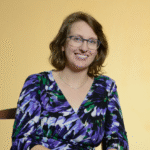
With nearly a decade of experience in project management and operational leadership, Hannah is dedicated to driving innovation in service delivery for adults with disabilities.
Amanda Bixler

Amanda Bixler, Director of Remote Support Services at Hearo, comes from a diverse background. Her innovative approach to her work, her emphasis of incorporating every part of an individual’s team and reliance on data, has given her the foundation to bring to her role at Hearo. Amanda collaborates with the Hearo team to develop and analyze data in order to innovate and collaborate with all individuals, families, case managers and providers.