

Past, Present & Future: The Status Of PACE Programs In Serving Dual Eligible Consumers
As CMS interest in maintaining consumers in the community and in value-based models increases, so does the interest in PACE programs. The model – a capitated model for providing medical and long-term care services for dually-eligible consumers living in the community – was first piloted in 1971. There are now 202 PACE programs serving more than 95,500 participants in 33 states and the District of Columbia – 20% of which are for-profit models. To learn more about future opportunities with PACE programs, Paul Soczynski, Senior Vice President, Healthcare at Volunteers of America National Services (VOANS), will open the 2026 institute with an executive update on the current role of PACE and the proposed plans for expanding PACE in the future. In addition to overseeing seven PACE Organizations operated by VOANS, Mr. Soczynski serves as a board member of the National PACE Association, bringing both policy and operational perspectives on the emerging market for PACE program services.
Paul Soczynski, MBA

Paul Soczynski has a Master’s in Business Administration and a bachelor’s degree in health information administration with over 40 years of experience in various leadership roles. He currently serves as the Senior Vice President of Healthcare for Volunteers of America National Services. His responsibilities include oversight of VOANS’ PACE Programs and Senior Living. Prior to working for VOANS, Paul worked for United Healthcare in various roles supporting LTSS programs nationally. Prior to UHC, he was responsible for business development in 50 states and the federal government for asset verification services as an enhancement to Medicaid eligibility systems for Accuity, Inc.
Paul served as the Chief Operations Officer of Community Care, Inc. in Milwaukee, Wisconsin from 1998 to 2010. Community Care operates PACE, Family Care Partnership and Family Care for elders and physically and developmentally disabled adults.
Paul served as a Commissioner on the Milwaukee Commission on Aging from 2003 to 2009 and served as the Project Manager for the Family Partnership Care Management Coalition which implemented Family Care for 11 counties in eastern Wisconsin. He served as a member of the National PACE Association’s (NPA) Board of Directors and chaired the Public Policy Committee. In October 2024, Paul was named Board Chair for NPA.
Grace Li
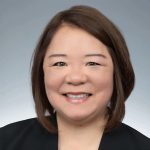
Grace Li joined On Lok in 2001 as Chief Operating Officer, applying her expertise in orchestrating new site openings, managing implementation of software applications, and overseeing multi-site complex systems and health care programs. In 2016, she was named Chief Executive Officer.
Grace works closely with her senior leadership team to create new opportunities for partnerships with philanthropic communities, and to invest in On Lok’s workforce so it upholds its reputation as a leading employer in senior care. Her vision builds on On Lok’s leadership with PACE by expanding on existing programs to meet the growing needs of a rapidly increasing senior population.
With more than 25 years in healthcare and 15 years at On Lok, Grace’s management experience spans a wide range of healthcare settings, including hospitals, physician practices, assisted living facilities, and health care consulting.
Grace serves locally on the Eden Housing, Inc. Board of Directors and NICOS Board of Directors, and nationally on the National PACE Association Board. She also serves locally on advisory committees helping to shape the services and care in our communities: San Francisco Palliative Care and San Francisco Post Acute Care Advisory Committee.
Grace holds a Master of Health Administration from the University of North Carolina and a bachelor’s degree in economics from the University of Florida.
Remote Support/Heylo Technologies Demo

Heylo Technologies aims to solve the lack of interoperability within a remote support platform for the I/DD and Aging populations. Heylo is a new support platform that takes away the need for remote support professionals to toggle between platforms and devices to provide the same level of care as if there were in-person staffing. Heylo integrates intuitive software with dependable hardware—such as motion sensors, door sensors, cameras, and health monitoring devices—to enable 24/7 support and emergency response. The Heylo platform was designed to enhance independence, safety, and quality of life while reducing the need for constant in-person staffing. Heylo gives agencies the power to provide their own remote support and ensure that those they support are given the care they need.
Brian Hart

Brian Hart is the CEO of Heylo Technology. He has made it his mission to push the boundaries of what options exist for adults with disabilities. He is never satisfied and believes there is always a better way to increase the independence of others and break down the systemic barriers that hold them back. He has been at the forefront of expanding services through the use of technology enabled supports and community clusters of services. Through his work, Brian has been able to assist agencies across the country to implement technology first and remote support to increase the number of individuals they support. Brian believes that technology enabled support is the solution to the problems facing I/DD and Mental Health support agencies, and he is excited to be at the forefront of assisting agencies in this change.
From Cost Center To Growth Engine: How CEOs Are Using Technology To Drive Revenue

In today’s margin-constrained environment, technology is no longer just an operational tool—it’s a core driver of financial performance. This session explores how leading behavioral health organizations are leveraging data to unlock new revenue streams, optimize payer and value-based payment relationships, and improve service line profitability. From real-time analytics to smarter utilization management, executives will gain practical strategies to move beyond retrospective reporting and toward predictive, revenue-focused decision-making. Learn how to align your tech strategy with growth goals—and turn insights into measurable financial outcomes.
Attendees will take away:
- The use of data to improve rate negotiation and payer relationships
- The right technology and analytics to support value-based payment models
- The data-driven strategies to help create new service line development and organizational growth
Brian Koll

Brian Koll is the Operations Technology Manager at LifeScape, where he leads the organization’s Virtual Support Services (VSS) and oversees the implementation and advancement of technology that enhances care, independence, and safety for people receiving services.
With more than 20 years of experience supporting individuals with intellectual and developmental disabilities, Brian has served in a variety of leadership roles within residential services before transitioning into technology operations. His extensive background in direct support and residential leadership provides a unique perspective on how technology can be integrated into everyday care without losing the human connection.
Brian has helped implement innovative solutions across LifeScape, including remote support services, camera and sensor technology, smart home safety devices, wearable health monitoring, communication systems, electronic reminders, NFC technology, and data-driven operational tools. His work focuses on using technology to increase independence for individuals served, improve staff accountability, strengthen safety, and provide real-time support to residential teams.
Brian will share how LifeScape has embraced technology as a partner in person-centered care, discussing practical applications, lessons learned, and the impact these innovations have had on individuals, staff, and organizational operations.
Gwen E. Koenig, LCSW

Gwen Koenig brings over 30 years of experience as the Chief Strategic Growth Officer for the Omni Family of Services, a national leader of child and family services in behavioral health, child welfare, and juvenile justice. She is responsible for business procurement, strategic planning, grants management, merger and acquisition integration, and technology innovation. Throughout her career, Gwen has supported foster care, family preservation, and community mental health programs across seventeen states.
Gwen is also an adjunct faculty at Colorado State University where she teaches macro social work and nonprofit management courses. Gwen resides in Fort Collins, Colorado where she enjoys the beautiful outdoors with her three sons, volunteers in her community, and keeps active with her rescue animals.
Jeffrey Ralph, Ed.D.

Jeff has held various positions within the field of Juvenile Justice. The majority of his time has been spent as a Treatment Supervisor at a residential placement for adjudicated youth. Prior to joining the JusticeWorks team, he oversaw clinical and operational systems as a Unit Manager in the Philadelphia Prison System. Jeff joined JusticeWorks in October of 2013.
He holds a Bachelor’s Degree in Criminal Justice and a Master’s Degree in Administration of Justice, both from Shippensburg University. Jeff obtained his Doctorate in Education in Organizational Leadership from Wilmington University. Jeff’s expertise has been recognized by his appointment as an adjunct professor at Wilmington University and Eastern University, where he teaches part-time.
The AI Reality Check: Benchmarking AI Adoption Across Human Services
Sponsored by: 
AI is generating plenty of headlines, but where are health and human services organizations actually making progress? Drawing from a national executive survey conducted by OPEN MINDS sponsored by Netsmart, this session reveals how organizations are approaching AI today, from early exploration to organization-wide adoption. Discover what leading organizations are doing differently, where executives are investing, and which strategies are delivering measurable impact. In addition to exclusive benchmark data, hear firsthand from an organization advancing AI adoption across its operations as they share practical experiences, key learnings, and the impact AI is having on care teams and organizations.
Jessica Fenchel, MA

Jessica Fenchel is the Executive Vice President and COO at Access Services, where she supports the delivery of diverse community-based programming for children, adults, and families in Eastern Pennsylvania. Access Services is a nonprofit organization building community through the delivery of services in Behavioral Health, Children and Families Services, and Intellectual Disability and Autism Programming.
Jess has been at Access Services for over 10 years, during which she was key in the startup of innovative initiatives across multiple service spaces including crisis, forensics, schools, and homelessness. Jess believes that help should be helpful and that the people we serve deserve our best. She has led in partnership building to realize integration between behavioral health and physical health, driving solutions for vulnerable populations. Jess’ work to develop new models of partnership between law enforcement and crisis systems has led to overall reductions in arrest for those experiencing mental health crisis.
Jess received her undergraduate degree from Messiah College, her master’s degree from Lasalle University in Clinical Counseling Psychology, training in Applied Behavior Analysis from the University of North Texas, a certificate in Nonprofit Management from Lasalle University, and a certificate from the Global Trauma Recovery Institute. Jess is an avid sports fan, especially the Buffalo Bills, and loves being active outside with her husband, three kids, and dog.
Julie Hiett, LMSW

Julie Hiett has over 30 years of experience working in behavioral health, social services and care coordination. She began her career as a Crisis Case Manager at a County CMHC in KS and was a School Social Worker prior to moving out of direct care and into Healthcare IT.
Julie has been at Netsmart over 13 years, working with clients across the country at the provider, county and state level, providing expertise on behavioral health, value-based care, care coordination, population health and clinical AI solutions. Her previous focus was assisting providers to consume and action client data across the healthcare continuum, utilizing data from disparate systems to improve clinical outcomes and lower the cost of care.
Julie has moved into leading the Netsmart clinical AI suite of solutions. In the role, she collaborates with clinicians and leadership to reduce the administrative burden of documentation, enhance clinician and client satisfaction, streamline workflows and improve quality assurance.
Julie has a bachelor’s degree in Family Studies & Human Services from Kansas State University and a master’s degree in Social Work from Wichita State University.
AI-Guided Assistive Technology Platform/MapHabit Demo
MapHabit is an AI-guided assistive technology platform that supports individuals with intellectual and developmental disabilities (IDD), autism, and related cognitive impairments to build independence through personalized visual routines. It complements the broader smart home ecosystem by promoting daily independence within the home itself, helping consumers remain in community-based living rather than institutional or facility-based care. The platform delivers step-by-step guidance for daily living activities — medication management, hygiene, meal preparation, appointments, and household routines — directly in the home, paired with caregiver and care-team dashboards. Rather than simply issuing reminders, MapHabit teaches and reinforces independent task completion over time through visual, repeatable routines tailored to each consumer’s cognitive level and support needs.
Adam Klein
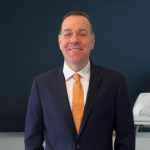
Adam Klein, LPC, is Vice President of Growth & Sales at MapHabit and a Licensed Professional Counselor with more than 20 years of leadership experience across behavioral health, managed care, quality improvement, case management, and program innovation. Beginning his career working directly with children and families in therapeutic foster care, Adam has remained passionate about designing and implementing programs that improve outcomes for individuals with complex behavioral, cognitive, and developmental needs.
Today, Adam works with health plans, provider organizations, schools, and state agencies to expand the use of assistive technology that promotes independence, reduces caregiver burden, and supports better health outcomes. He is especially passionate about helping organizations translate innovative technology into sustainable, person-centered care models. He is also passionate about helping organizations responsibly leverage technology and artificial intelligence to improve care delivery while keeping individuals and families at the center of every solution.
What Adam enjoys most is spending time in the community with providers, caregivers, and families and hearing firsthand how technology is making a meaningful difference in people’s daily lives. He is incredibly proud to be part of the MapHabit team and the organization’s mission to empower individuals through practical, evidence-based innovation.
Outside of work, Adam enjoys spending time with his family, cheering on his son at sporting events (and occasionally teaming up for video games), and exploring new restaurants and TV series with his wife.
My25’s Digital Food As Medicine For Smart Homes

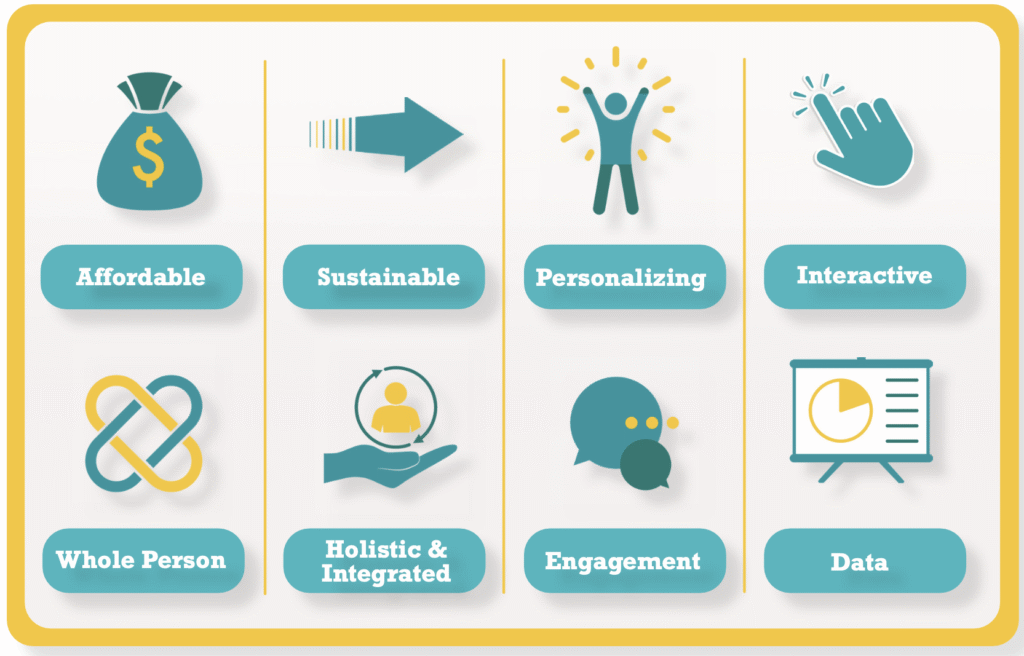
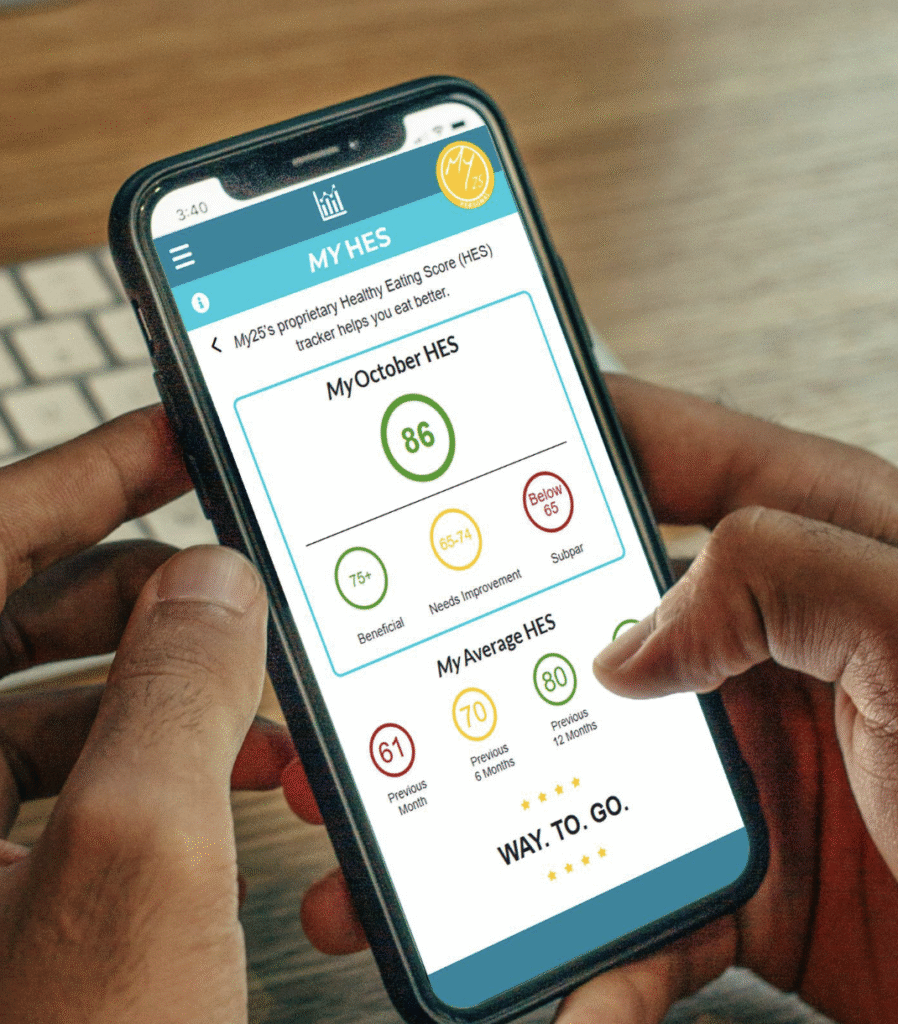
My25, powered by Mainstay, provides individuals with specialized needs (and any associated caregivers and staff) with the tools and tailored resources to materially improve their nutrition, health, and independent living skills on a person-centered and budget-sensitive basis via digital, interactive resources. Menu planning, grocery shopping, and recipe prep are scaffolded by high engagement and robust educational resources in 81 languages and a multimedia format.
James Vail

Jim co-built a nationwide enterprise, maximizing quality of patient care and reduced costs in hospitals, that was acquired by a Fortune 500 healthcare company. Following this successful endeavor, he made his most consequential, long-term career change. The human services organization supporting people with IDD in community-based settings—where he sat on the Board of Directors—asked Jim to step up as their CEO. He decided to immediately and simultaneously tackle the most pressing challenges, which he came to understand as largely endemic to the industry overall: the poor nutrition/health of people supported along with haphazard compliance regarding person-centered choice; inexperienced, high turnover staff; and budget-strapped operations. Jim noted that these various needles hadn’t moved much—and certainly never in tandem—despite attempts over many years by a host of status quo “solutions.”
Jim quickly concluded that little in a group home day occupies as much time, passion, cost, and safety concern as does food. So a key priority centered on mealtime and its associated linkages. Within 18 months of Jim’s tenure, the organization received one of the first-ever, 4-year CQL accreditations and was financially robust for the first time in over a decade, with much healthier consumers. This transformation and its possibilities planted the seed for Mainstay, Inc. and its My25 brand . . . a holistic, integrated approach to Food as Medicine, tailored for people with specialized needs on a person-centered basis via digital supports.
Building strategic partnerships and collaborations with the United States Department of Agriculture (USDA), professionals from the Feinberg School of Medicine, Walmart, SNAP officials, and legislators, Jim pioneered My25’s launch and growth. The company now spans 37 states, with a suite of digital Food as Medicine products, as a for-profit commercial enterprise among the nation’s leading human services/healthcare organizations for tens of thousands of people in waiver, ICF, and supported/independent living settings.
Fueled by Mainstay’s highly-respected team, proprietary software—and now A.I. integration—Jim is focused on forging a broader base of partners to positively impact more individuals, stakeholders and funders. He recognizes amplified, broad-based need for simultaneous outcomes regarding clinical health, social health, engagement, education, operational efficiency, food (and additional) cost reduction, and Medicaid savings contribution. Jim often credits My25’s overarching success to the actionable data Mainstay tracks and trends in real time and “. . . figuring out how to stem the leakages long getting in the way of sustainable, affordable nutrition/preventive health on a person-centered basis for this vital population—not just the 5% most unwell, but a majority.”
Jim is a graduate of both Davidson College where he received his BA in Economics and Northwestern University’s Kellogg School of Management where he received his MBA. Jim lives in the Chicago area with his wife, who helps catapult Mainstay forward as its COO and co-founder. Three adult children each live a stone’s throw away; they often meet up with Jim on the golf course, but are honor bound to promise no snickering at his short game.
AI That Pays Off: Where CEOs Are Seeing Real ROI & Where They’re Not
Artificial intelligence is everywhere—but where does it actually deliver value? This candid session cuts through the hype to examine real-world AI use cases in behavioral health, highlighting what’s working, what’s not and why. From clinical documentation and workflow automation to predictive modeling and patient engagement, we’ll assess where organizations are seeing measurable ROI—and where investments are falling short.
Attendees will walk away with:
- A framework for evaluating AI opportunities and prioritizing initiatives that deliver both operational efficiency and clinical impact.
- Benchmarks and real-world case study examples of what ROI was expected in an AI investment vs. what was actually realized
- A clearer picture of what AI tools are actually delivering value
Jeremy Brown, LPC

Jeremy S. Brown, LPC, is Vice President of Technology and Impact at Talbert House, a multi-program nonprofit behavioral health provider in Cincinnati, Ohio that serves mental health, addiction treatment, and child and family populations. He brings more than two decades of behavioral health experience to the role, with a career that has progressed from direct clinical and case management work to residential program leadership and hospital administration, including service as Assistant Chief Executive Officer at Summit Behavioral Health. He holds a bachelor’s degree in psychology and sociology from Miami University and a master’s degree in clinical counseling from Xavier University.
In his current role, Jeremy leads Talbert House’s work to turn everyday technology into operational capacity without adding headcount, pairing tools already inside the agency’s Microsoft 365 license with AI built in Microsoft Copilot Studio. At the 2026 Technology and Analytics Institute, he presents “AI That Pays Off: Where CEOs Are Seeing Real ROI and Where They’re Not.”
Melissa Fox, MHA, FACMPE, FACHE

Melissa Fox is a nationally recognized healthcare executive and systems strategist leading the transformation of community-based health systems through innovation, data, and emerging technologies. As Chief Operating Officer of Acenda Integrated Health, she oversees enterprise-wide operations spanning more than 150 programs across the state of New Jersey, including child welfare, behavioral health, substance use disorder treatment, crisis services, supportive housing, and population health initiatives designed to address the social drivers of health.
Fox is widely recognized for building nimble leadership structures that align operational strategy with value-based care, health equity, and financial sustainability. Throughout her career, she has led complex organizational redesigns across various healthcare disciplines, launched integrated care models to expand services for vulnerable populations, and implemented data-driven performance systems to improve outcomes while strengthening organizational resilience.
A recognized national voice on healthcare transformation, Fox has advised and presented for organizations including Open Minds, the Centers for Medicare & Medicaid Services (CMS), the American Public Health Association, and the USDA among others. She has contributed to initiatives addressing the opioid epidemic as a public health crisis, and advanced conversations on telehealth equity and violence prevention, including framing gun violence as a public health issue through science-driven community engagement. She serves on multiple advisory and academic boards, including the Rutgers Center for State Health Policy External Advisory Committee and the Peirce College Human Services Advisory Board. Additionally, she serves as the Chair for the Healthy NJ 2030 Access to Quality Care action team, and the Chair of the Board for the Center for Health Equity & Wellbeing, New Jersey’s first public health institute.
Her work focuses on helping healthcare organizations redesign care delivery through operational innovation, advanced analytics, and emerging technologies that improve access, strengthen financial sustainability, and produce measurable outcomes. She is a leading advocate for viewing artificial intelligence as organizational infrastructure rather than simply another technology investment, helping healthcare leaders build AI-enabled systems that augment workforce and processes while preserving the human relationships at the center of care.
Open Access 2.0: Deploying AI To Scale Same-Day Care
Sponsored by: 
Open (same-day) access transformed engagement in behavioral health, but delivering it at scale often overwhelms front-office and clinical teams. In this session, learn how agencies across the country are deploying next-gen AI agents to streamline clinical intake and return clinician time to care. We’ll cover the change-management, compliance considerations and operational kinks that make or break adoption. We’ll also preview how one agency (Gulf Coast Center) is pushing the frontier by extending this technology beyond clinic doors, working with community partners to deliver instant AI-assisted behavioral health access anywhere.
Edwin Wong, Ph.D.

Edwin is co-founder and CEO of Psyrin, where he leads the company’s strategy, and partnerships, working to bring systems-level change in mental health. He completed his PhD at King’s College London and the National University of Singapore, where he worked on large-scale genetic studies for psychiatry. Before Psyrin, Edwin was active in deeptech innovation via Entrepreneur First and Nucleate UK.
Remote Supports & Technology Services/SafeinHome Demo
SimplyHome designs and installs innovative and affordable technology solutions that transform how we care for individuals with disabilities, aging adults, and veterans. The technology empowers individuals to live their own self-determined lifestyle while addressing the concerns of caregivers. SimplyHome sensor-based systems can adapt over time to alleviate concerns about cooking safety, medication adherence, and the risk of wandering or falls. The technology is also customizable, creating the ideal fit for the person’s needs and changing goals, rather than fitting the person to the technology.
Season Jackson

Born and raised in Northeastern Pennsylvania, Season Jackson has dedicated more than 25 years of her career to supporting individuals with intellectual and developmental disabilities and their families. She began her career as a Direct Support Professional and progressed through a variety of case management and leadership roles, ultimately serving as Director of Case Management Services for a large provider organization. In this role, she provided leadership and oversight for multiple home- and community-based service programs across Pennsylvania and New Jersey.
Throughout her career, Season has developed extensive experience in case management, program development, provider operations, community-based services, and supporting individuals to achieve greater independence. She holds degrees in Criminal Justice and Human Services and is a certified Pennsylvania Supports Broker.
Season joined SafeInHome in 2021, combining her commitment to the disability community with a new focus on expanding access to Remote Supports and Assistive Technology throughout Pennsylvania. In late 2025, she was promoted to Pennsylvania’s District Manager, where she leads statewide efforts to strengthen and expand Remote Supports. Her work focuses on developing sustainable partnerships with provider organizations and community stakeholders, supporting innovative service solutions, educating professionals and families about Remote Supports, and helping create meaningful pathways to greater independence.
Season is passionate about advancing person-centered approaches that use technology and human connection to give individuals greater choice, autonomy, and opportunity to live safely and successfully in their own homes and communities.
Outside of work, Season is a busy mom of four who enjoys crime podcasts, concerts, cooking, and spending time with family and friends.
Stephanie McDonald

Originally from New York, Stephanie McDonald earned her Bachelor of Arts from the University at Albany, with concentrations in Psychology and Biology. She brings more than 25 years of experience supporting individuals with intellectual and developmental disabilities, autism, behavioral health needs, and other complex support needs across educational, residential, community-based, and behavioral health settings.
Stephanie began her career with BOCES (Boards of Cooperative Educational Services), serving as an Emotional Support Para-Educator for children with autism. She later worked as a Residential Coordinator supporting individuals who had transitioned from the Willowbrook State School into community-based living.
After relocating to Pennsylvania in 2005, Stephanie continued her career as a Supports Coordinator, working with individuals with disabilities across the lifespan, from young children through older adulthood. She subsequently served as a Behavioral Specialist supporting adults and older adults with intellectual disabilities and co-occurring mental health needs.
Stephanie then spent more than 15 years with a large provider organization in Northeastern Pennsylvania, where she served as Director of Residential and Life Sharing Programs for individuals with intellectual disabilities and autism. Her extensive experience in service coordination, behavioral support, residential services, and program leadership provides her with a comprehensive understanding of the diverse needs of individuals, families, and support teams.
In 2022, Stephanie joined SafeInHome, where she supports individuals in achieving greater independence through Remote Supports and Assistive Technology. She is passionate about person-centered solutions that enhance independence, safety, choice, and quality of life for individuals across a variety of living environments.
Outside of work, Stephanie is married and the proud mother of two energetic children. She also shares her home with three considerably less energetic bulldogs and is a passionate New York Yankees fan.
How To Build AI Governance For Responsible Adoption & Risk Management
As AI adoption accelerates, organizations need more than just tools and policies. They need a governance and risk management framework that enables safe, compliant, and scalable implementation. Join industry leaders as they discuss how to build effective AI Governance Committees, overcome common governance gaps, and establish the structures needed to guide responsible AI decision-making across the organization.
*Lunch Is Provided!
Chris Seigel, MA, LPC
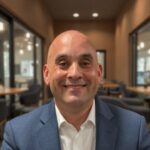
With more than 13 years of experience in behavioral health leadership and as a licensed professional counselor, Chris Seigel is a systems-focused executive known for building high-performing, regulation-ready service lines across numerous environments. As Chief Program Officer for Mental Health & Substance Use Services, Queen of Peace Center and Saint Louis Counseling, two ministries of Catholic Charities of St. Louis, he provides oversight of a multi-site continuum of care spanning residential and outpatient treatment, supportive housing, community-based therapy, psychiatric services, medication-assisted treatment, and more than 100 school-based locations across 11 counties.
He maintains program-level accountability for operational performance, financial sustainability, workforce stability, and quality governance across the service line. Chris led the enterprise-wide implementation of the AI-powered clinical documentation tool to move his organization from manual notes to measurable performance gains. By aligning technology with governance, compliance oversight, and operational discipline, he reduced administrative burden, strengthened documentation integrity, and expanded access capacity without compromising clinical standards.
He now leads ongoing efforts to evaluate and implement AI systems that enhance client access, strengthen screening and assessment processes, and drive measurable improvements in outcomes across the continuum of care. His work demonstrates how responsible AI adoption can transform documentation from a regulatory requirement into a strategic lever for efficiency, scale, and sustainable impact.
Hope Winkowski, NCC, OHCC, HPOC
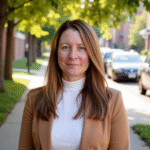
Hope Winkowski, NCC, OHCC, HPOC, is Vice President of Product Compliance at Qualifacts, where she leads product compliance, regulatory oversight, health IT certification, and AI & Data governance across the organization’s behavioral health technology portfolio. Since joining Qualifacts in 2013, Hope has held progressive leadership roles spanning product management, quality assurance, revenue cycle management, analytics, and compliance, while helping support more than $4.5 billion in annual healthcare billing. With over 20 years of experience in behavioral healthcare, health IT, and community mental health leadership, she brings a unique blend of clinical, operational, and compliance expertise. Hope chairs Qualifacts’ AI and Data Governance Committee and is passionate about helping healthcare organizations navigate emerging regulations, responsible AI adoption, and technology-driven transformation. She is a National Board-Certified Counselor and holds certifications in Healthcare Compliance and HIPAA Privacy, with bachelor’s and master’s degrees from Penn State University.
What’s Next For Community-Based Care: Inside The System Of Action
Sponsored by: 
What if the note was written correctly the first time? What if eligibility gaps surfaced before the appointment, not after the denial? What if your clinicians spent their day with clients instead of catching up on paperwork after hours?
That’s not a hypothetical—it’s what a system of action already does today. Join us for a lunch and learn on where community-based care is headed: A model where AI doesn’t just observe and summarize, but acts—verifying eligibility, guiding documentation, and flagging compliance risk in real time, in the flow of care. We’ll show a live demo of Eleos doing exactly that across clinical, compliance, and revenue cycle workflows, and talk through what it means for the people doing the work: less time reconciling the past, more time present with patients.
Bring your questions (and your lunch,) we’ll leave plenty of time for both.
Learning Objectives
By the end of this session, attendees will be able to:
- Picture documentation that supports clinicians instead of trailing them. Understand how real-time guidance during the note prevents the errors that traditionally surface only after submission—and what that frees clinicians up to do instead.
- Understand what’s next for eligibility and revenue protection. See how verifying eligibility and catching compliance issues before a claim is created—rather than chasing denials months later—protects revenue upstream and reduces the rework burden on both clinical and billing teams.
- Reframe what “100% compliance review” makes possible. Move beyond the old ceiling of reviewing 5–10% of notes after the fact, and see what changes operationally—and for staff workload — when every note is reviewed before sign-off.
- Walk away with a concrete picture of the future in action—and why it matters. Every capability in this session points to the same outcome: shifting administrative work into the flow of care so clinicians can focus on patients, not paperwork.
*Lunch Is Provided!
Sheetal Sood

Sheetal Sood is a visionary technology executive and the Chief Information Officer and Chief Information Security Officer for Cohen Veterans Network (CVN). With a distinguished career dedicated to the digital transformation of the healthcare industry, Sheetal oversees the strategic implementation and optimization of CVN’s entire enterprise architecture ranging from clinical information systems and advanced data analytics built on a secure platform.
A recognized expert in the fields of AI/ML, cybersecurity, and information governance, Sheetal bridges the gap between complex technical infrastructure and patient-centric care. Her leadership is defined by a unique ability to leverage emerging technologies to drive organizational efficiency and clinical excellence, marking her as a premier authority in digital health security and strategy.
Sheetal holds a Bachelor’s degree in Electronics Engineering and maintains an elite tier of professional certifications, including CISSP, CHC, and CIPP/US

Timothy Young
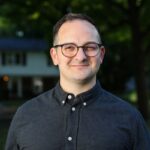
Wearable Assistive Technology/BoundaryCare Demo
BoundaryCare is a wearable-based platform that connects individuals and care teams through communications and alerts. BoundaryCare can monitor for a wide variety of potential incidents – including falls, elopement, certain types of seizures, and proactive help requests – and notify care teams no matter where they are, thanks to built-in cell service on the watch that also supports auto-answering inbound calls from caregivers. BoundaryCare also tracks vitals, activity, and sleep to inform on individuals’ overall well-being, and can deliver text or image-based reminders for ADLs, guides for specific tasks, or biofeedback directly to the individual’s watch. A simple and cross-platform caregiver interface helps front-line caregivers quickly get up and running, while the broad spectrum of use cases, population-management features, and integration with remote support solutions help providers simplify and optimize their technology stacks for care delivery.
Paul Carpenter

Paul Carpenter is the co-founder and head of product and technology for BoundaryCare, a platform that uses real-time data and thoughtful design to help individuals gain and maintain independence while relieving stress from their caregivers. Paul spent over ten years working as an engineer at top technology companies until his own family’s experiences pushed him and his father Scott – a college professor and former technology entrepreneur – to tackle the challenges of caregiving head-on. At BoundaryCare, he applies methodologies for continuous improvement drawn from his technology background to power his vision for making BoundaryCare the most inclusive and comprehensive solution for individuals, families, and providers.
The CEO Playbook For Digital Transformation: Why Most Fail & How To Get It Right
Digital transformation is on every leader’s mind, and most systems will fail not because of the technology but the lack of direction. In this session, executives will share how they are navigating the complexity by setting vision, aligning stakeholders, and driving enterprise-wide change in an increasingly digital ecosystem.
Explore the critical decisions that define successful transformation efforts—from technology investment and governance to culture change and workforce readiness. This executive-level discussion will focus on the speed of technological advancements versus the risk of adoption, the pros and cons of centralized versus decentralized decision-making, and keeping up with the pace of accelerating innovation while balancing the stability that comes with being operationally streamlined and disciplined.
Mike Briggs

Mike joined Little Friends, Inc in January 2016 as a Board member and in March 2017, was asked to come out of retirement and serve as the President/CEO. He has been doing this for nearly the past six years.
Prior to joining Little Friends, Mike spent his career in the for-profit sector. Graduating from Millikin University in 1979, Mike started his career with IBM Data Processing in sales. He left IBM to join a family business in 1984 and within 3 months was running a $40 MM company. Over the next 30 years, Mike ran four different manufacturing businesses as President/COO, three privately owned companies and one owned by private equity. Two of the four businesses grew to be in excess of $100MM in revenues, and one just shy of $90MM.
Throughout his career, he has been involved with multiple boards of organizations, including being an Emeritus Trustee of Millikin University that includes having served two years as Chairman of their Board. Currently, besides being CEO of Little Friends, he serves as Chairman of the Board for a global company headquartered in Australia, President of his Country Club, and Chairs the City of Naperville Advisory Commission on Disabilities. In total, he is active with nine organizations as a board member today. Mike’s background until joining Little Friends has not been in social service. Rather, his story today comes from his experiences running different organizations and how these lessons apply to social service.
From Operational DNA To Organizational Intelligence: Building The Learning Behavioral Health Organization
Sponsored by: 
Behavioral health organizations generate enormous amounts of clinical and operational information every day. Yet most of that intelligence remains trapped inside individual records, disconnected systems, retrospective reports, and staff members’ experience.
The first generation of behavioral health AI focused primarily on completing tasks: drafting a note, summarizing a chart, flagging a compliance concern, or answering a question. The next generation will connect those capabilities into a continuous organizational learning system.
This session examines how behavioral health organizations can move beyond isolated AI tools to create closed-loop intelligence across the enterprise. When AI understands an organization’s programs, clinical models, payer requirements, documentation standards, workforce roles, and governance practices — its Operational DNA — it can do more than automate work. It can help the organization recognize patterns, surface emerging risks, strengthen supervision, improve consistency, and translate everyday clinical activity into actionable organizational insight.
Using a real-world provider implementation, the panel will explore how information can move responsibly from the point of care to quality, compliance, operations, and executive leadership—and then back into better support for the workforce. The discussion will also address the governance boundaries necessary to ensure that AI informs decisions without replacing clinical judgment or creating automated authority.
Attendees will learn how to:
- Distinguish task-based AI from a connected organizational intelligence model.
- Create closed feedback loops across clinical care, documentation, compliance, supervision, and operational performance.
- Identify the data, interoperability, and governance infrastructure required for AI to generate useful enterprise insight.
- Determine which decisions AI may inform, which require human review, and where automation should stop.
- Develop a practical roadmap for becoming a learning organization without replacing the EHR or rebuilding the technology stack.
Evan Hoese

Evan serves as Chief Quality & Analytics Officer at HealthRIGHT 360, where she leads agency-wide efforts to improve quality of care, strengthen data-driven decision-making, and advance operational excellence.
Since joining the organization in 2015, Evan has played a key role in building and scaling the agency’s data, EHR, and billing systems. In her current role, she oversees Quality Improvement, Data Infrastructure & Analytics, Health & Safety, Integrated Medical Services, and Electronic Health Record Systems, Training and Billing, ensuring that systems and processes support whole-person, client-centered care.
Evan is a systems thinker and collaborative leader who is passionate about leveraging data and innovation to better serve communities. She holds a BA from Harvard University in Social and Cognitive Neuroscience.
Ross Young
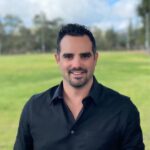
Ross is an experienced executive and revenue leader, passionate about driving growth while making a positive impact on society. As the Chief Executive Officer of Clinically AI, Ross is at the forefront of integrating AI into health care to enhance the efficiency and effectiveness of clinical documentation. He is dedicated to leveraging technology to solve real-world problems faced by behavioral and physical health care professionals. By automating administrative tasks, Ross helps clinicians focus more on patient care. Committed to advancing medical technology while upholding the highest standards of privacy and compliance, Ross is leading efforts to transform health care documentation and improve clinician well-being.
AI-Powered Camera Systems/Oddity.ai Demo
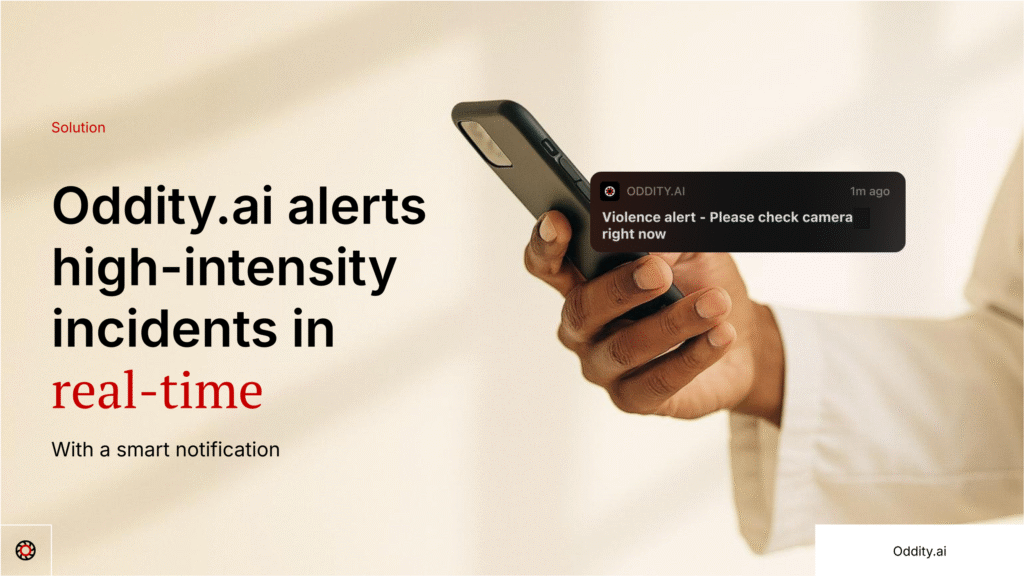

Oddity.ai adds a real-time safety layer to existing camera systems in residential and community-based care settings. The platform detects high-intensity incidents such as aggression and self-injurious behavior, then sends real-time alerts and short video clips to designated staff on their smartphones. This helps providers move from reactive incident review to real-time awareness, so they can respond faster and support safer environments for people with intellectual and developmental disabilities.
Thomas Alflen

Thomas Alflen is the founder of Oddity.ai, an AI company built on years of applied computer vision research and now dedicated to helping human service organizations protect vulnerable people in care environments. Long before AI became a mainstream topic, he was working at the forefront of applied computer vision, building systems that recognize high-intensity human behavior in real-world settings.
Today, he focuses on helping providers supporting individuals with intellectual and developmental disabilities understand and responsibly adopt AI. Through Oddity.ai, he works with organizations to layer real-time behavioral alerts onto existing camera systems, helping staff identify moments such as aggression, self-injurious behavior, and restraints sooner.
Thomas regularly speaks about how vision AI works, how algorithms are trained, and how these technologies can be deployed with privacy by design. His mission is to make AI practical, understandable, and trustworthy for organizations working to create safer, more independent lives for the people they support.
TLS’s EVOLVE™/Tranquility Lifestyle Solutions Demo
Tranquility Lifestyle Solutions provides an innovative, scalable model of community wellness through 24/7 real-time monitoring, proactive intervention, and culturally competent care. Powered by TLS’s EVOLVE™ platform, it identifies falls, isolation, and behavioral health concerns before they escalate. Bilingual wellness teams engage residents and caregivers directly, offering timely, compassionate support. Outcomes are tracked using advanced telemetry, ensuring transparency, accountability, and measurable impact. This solution reduces emergency interventions, strengthens caregiver networks, and promotes long-term mental and physical health. We’re not just monitoring—we’re transforming how care is delivered: always on, always there.
Andy Furlong
Andy Furlong is a mission-driven C-suite leader, entrepreneur, and champion for dignified aging. As Founder & CEO of Tranquility Lifestyle Solutions Inc. (TLS), Andy has built a breakthrough technology-enabled care service delivering ambient fall detection, 24-hour nurse-led wellness support, and proactive interventions that help seniors and at-risk individuals live independently—and safely—in the comfort of their own homes.
A 30+ year veteran of global executive leadership, Andy previously held senior roles at Deutsche Bank, UBS, and Compass Group, where he served as Group Managing Director and Executive Committee Member. Drawing on deep expertise in strategic growth, innovation, and operations, he now brings that discipline to solving some of society’s most human challenges—supporting vulnerable populations with scalable, affordable, and compassionate solutions.
Andy’s core philosophy is simple yet powerful: technology should disappear into the background and empower human connection—not replace it. He believes that privacy-first ambient technology, when paired with real-time human engagement, can unlock a future where aging in place is not just possible, but joyful. This belief fuels his work with TLS, where he partners with Area Agencies on Aging, senior living communities, and public agencies to bridge the gaps between innovation and access.
Under his leadership, TLS has pioneered post-discharge monitoring, storm recovery wellness programs, and social isolation prevention—all with minimal operational burden to the agencies they support. Andy is also a passionate advocate for caregiver support and has led pro bono wellness initiatives for homeless seniors around the world and other underserved populations.
Andy frequently speaks at industry events about how AI, IoT, and proactive wellness models can be designed with empathy—and scaled with impact. At the heart of his work is a personal and professional commitment to redefining the aging experience, supporting caregivers, and ensuring that every individual has the tools, connection, and dignity to age on their own terms.
Touchscreen & Sensor Platform/GrandCare Systems Inc. Demo


GrandCare Systems aims to reduce the staffing costs for disability and the aging population. Their touchscreen platform assists with cognitive needs, such as checklists, medication reminders, instructional videos, and more. The technology collects data through motion and telehealth sensors and alerts a remote support team. Learn more about how GrandCare Systems is reducing onsite caregiver hours, enabling independence, and cutting costs on staffing.
Laura Mitchell

Laura is a co-founder and CEO of GrandCare Systems, a touchscreen and sensor-based technology platform designed to improve independence and enhance remote supports for individuals living with disabilities and older adults. She has over 20 years of experience in the remote monitoring and connected health industry. In 2015, she founded LMC, a boutique marketing and consulting agency with a technology and senior housing niche. Laura has been featured in Forbes magazine for social media, was a 2012 “Top 40 under 40”, Top 100 Women in M2M in Connected World, and a recipient of the ‘Flame Award for Innovation and Leadership’ in 2011. She was a 2020 Rotarian of the Year, WI Innovation Awards finalist, and a 2022 Women in Consumer Technology Legacy recipient. She frequently volunteers with the Carlsbad Rotary and Cal State San Marcos business program. She lives in Southern California with her husband, two boys, and three dogs.
Joseph Donnelly

Joseph Donnelly is Vice President of Client Transformation at GrandCare Systems, where he leads growth, strategic partnerships, and market expansion for person-centered assistive technology and remote support solutions. A longtime healthcare technology executive, Joe has held leadership roles with organizations including Current Health, Kyruus, and athenahealth, helping healthcare and provider organizations adopt innovative technologies that improve care delivery and outcomes. Today, his work is focused on helping organizations use technology to expand independence, strengthen person-centered supports, and address the growing workforce challenges facing disability services.
From EHR To Ecosystem: Building The Tech Stack For What’s Next
As the pace of innovation accelerates, behavioral health organizations must rethink the foundation of their technology infrastructure. This session dives into what a modern, future-ready tech stack looks like—from interoperable EHRs and data platforms to AI-enabled tools and patient engagement solutions. Hear how forward-thinking organizations are moving beyond fragmented systems to create integrated, scalable systems that support growth, improve outcomes, and enhance consumer experience. Gain insights into how to evaluate, prioritize, and future-proof your technology investments in an evolving landscape.
Key takeaways include:
- Understand the need to shift from an EHR-centric platform to a more encompassing tech ecosystem
- The integration capabilities and tools needed for a modern infrastructure that improves patient engagement
- Strategies to transition your organization from your legacy system to an ecosystem architecture
Keith Knutson

Keith Knutson is Vice President of IT Services at Connections Health Solutions, a crisis and behavioral health provider operating in seven states, where he leads cybersecurity, infrastructure, compliance, and AI governance across eight facilities and the organization’s mobile crisis teams. Since joining Connections in 2020, he has guided the organization through HITRUST certification, modernized its infrastructure and cloud footprint, and played a leading role in developing the governance framework that shapes how Connections evaluates and adopts AI in clinical and operational settings. He continues to drive operating efficiencies across the IT organization, refining processes, and strengthening the infrastructure and security foundation that supports the organization’s data modernization and rapid growth.
Dani Kholdi

Dani Kholdi is the Director of Business Intelligence at Connections Health Solutions (CHS), a multi-state behavioral health organization, where he leads the team responsible for Data Engineering, and Business Intelligence across all data domains. Dani brings a background in value-based care analytics, having led Analytics and Business Intelligence functions at Evergreen Nephrology, and Fresenius Medical Care, to his work in behavioral health. At CHS, Dani has spearheaded the organization’s data platform transformation – migrating from a fragmented, on-premises, stored-procedure-based system to a modern, cloud-based analytics ecosystem built on dbt and Azure Kubernetes Service (AKS). Dani is passionate about using data infrastructure and architecture as a driver of organizational performance and competitive advantage in complex care settings.
AI-Powered Personalization In Behavioral Health: Supporting Clinicians, Not Replacing Them
Sponsored by: 
Behavioral health organizations face growing demand, workforce shortages, and increasing administrative complexity. AI offers an opportunity to expand capacity, not replace clinicians. This session including a fireside chat explores how organizations are using AI to reduce documentation burden, surface actionable insights, and support more personalized care while keeping clinicians at the center of decision-making. Attendees will gain practical strategies for leveraging AI to improve efficiency, strengthen patient engagement, and enhance clinical outcomes.
Participants will be able to:
- Explain how augmented intelligence can support personalized behavioral health care without replacing clinician judgment.
- Identify opportunities to reduce documentation burden and administrative friction across the clinician workflow.
- Describe strategies for using AI to strengthen patient engagement, continuity of care, and the therapeutic relationship.
- Apply governance and implementation principles that improve adoption, scalability, and regulatory readiness.
Javier Favela
Javier Favela is Vice President of Market & Segment Leader at NextGen Healthcare. He is an industry leader who provides integrated healthcare technology solutions to meet the needs of the behavioral and integrated healthcare community. Javier has over 20 years of accounting and executive leadership specializing in the healthcare and healthcare information technology field. He offers extensive knowledge in new business start-ups and restructuring existing businesses to further strategic initiatives and maximize organizational profitability.
Alaina Grimm

With nearly two decades of experience in behavioral health, Alaina Grimm brings a unique blend of provider insight and healthcare technology expertise to her role as Director of Specialty Markets at NextGen Healthcare. Her career spans frontline behavioral health services, enterprise EHR implementations, and system evaluations from both the provider and vendor perspectives. Today, she works across product, implementation, marketing, and sales teams to help shape behavioral health strategy, ensuring innovation remains grounded in real-world workflows, provider needs, and evolving market dynamics.
Smart Living Systems powered by Hearo Demo
Smart Living Systems (SLS), powered by Hearo, delivers a tech-enabled remote support solution that empowers greater independence for adults with disabilities, increases staffing capacity, and lowers total care costs for those served. Built by LADD, a long-standing disability service provider, SLS combines remote support and enabling technology with a fully integrated support platform, operational framework, and training. This allows providers to deliver high-quality, scalable supports while creating a scalable model for aging and behavioral health.
Hannah Eldridge

With nearly a decade of experience in project management and operational leadership, Hannah is dedicated to driving innovation in service delivery for adults with disabilities.
Amanda Bixler

Amanda Bixler, Director of Remote Support Services at Hearo, comes from a diverse background. Her innovative approach to her work, her emphasis of incorporating every part of an individual’s team and reliance on data, has given her the foundation to bring to her role at Hearo. Amanda collaborates with the Hearo team to develop and analyze data in order to innovate and collaborate with all individuals, families, case managers and providers.
Health Care Beyond Medicine: How Highmark Is Reducing The Total Cost Of Care Through Its Social Care Network
Health outcomes are influenced by many factors that go far beyond the walls of the clinical setting, and forward-thinking organizations are redefining their care delivery strategies accordingly. In this inspiring session, Nebeyou Abebe, Senior Vice President of Social Health at Highmark Health, explores how Highmark is leading the way by integrating social determinants of health into their core business and care delivery models to drive better outcomes through their Social Care Network.
Highmark’s Social Determinants of Health Department was created in 2019, starts with a 15-question assessment that screens for things like housing, physical and social environments, transportation, and income, and members/patients who screen positive for a health-related social need get referred to a curated network of community-based organizations who remediate the social barrier. Highmark’s home-grown social care network has seen significant results in terms of reducing the total cost of care as well as reducing avoidable inpatient and emergency department visits. During this session, Mr. Abebe will highlight how Highmark is addressing the factors such as food insecurity, finances, transportation and social isolation to significantly impact both physical and behavioral health outcomes, and why these interventions are increasingly essential as organizations transition to value-based care models.
Nebeyou Abebe
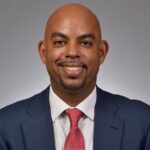
Nebeyou Abebe is the senior vice president of social determinants of health (SDoH) for Highmark Health, a $21 billion national, blended health organization that includes one of America’s largest Blue Cross Blue Shield insurers and a growing regional hospital and physician network. Based in Pittsburgh, Pa., Highmark Health’s 37,000 employees serve millions of customers nationwide through the nonprofit organization’s affiliated businesses including Highmark Inc., Allegheny Health Network, HM Insurance Group, United Concordia Dental, HM Health Solutions and Helion.
SDoH are the conditions in which people live, work, learn, and play that can impact up to 80% of an individuals’ health outcomes before the healthcare system can intervene. Mr. Abebe brings nearly 20 years of experience leading SDOH, population health, and employee health and well-being initiatives for public and private sector organizations.
In his role at Highmark Health, Mr. Abebe leads an SDoH team that spans across the enterprise and forges close ties with the communities in Pennsylvania, West Virginia, Delaware, and New York, uncovering non-clinical opportunities to improve the health and well-being of members and the region at large.
Highmark Health focuses on the confluence of medical and non-medical drivers of poor health outcomes, with a primary goal to identify and effectively address barriers to health.
Before joining Highmark Health, Mr. Abebe served as global VP of health and well-being for Sodexo Group, where he guided SDOH, population health and employee wellness for all Sodexo business segments impacting more than 425,000 employees and 100 million consumers. While at Sodexo Group, Mr. Abebe developed initiatives that addressed food insecurity, housing, transportation and workforce development in partnership with community-based organizations.
Prior to joining the Sodexo Group in 2013, Mr. Abebe served as associate director of health systems for the Louisiana Public Health Institute, where he played a leading role in building and strengthening local health IT infrastructure and testing innovative approaches to make measurable improvements in health, patient care and cost. He has also served in health communications and social marketing positions, including directing a national CDC campaign to reduce the stigma associated with HIV/AIDS.
Mr. Abebe earned his bachelor’s in economics from the University of Massachusetts-Amherst and his master’s in social and public policy from Georgetown University, as well as his Project Management Professional credential from the Project Management Institute.
The New Path To Treatment: Navigating The Trends, Policies & Forces Reshaping SUD Care
Philadelphia rebuilt the route from street contact to treatment placement. The components: harm reduction outreach, arrest diversion, a 24/7 center with a courtroom inside it, policies that let medication start the same day, and the level-of-care standard that decides who qualifies and what gets paid. Providers sit at every handoff in that chain, receiving referrals or losing them.
Join this panel to hear from the leaders who directed those changes. They will discuss where the industry is moving, based on national trends and the policy shifts landing in addiction and SUD services next year, and what a provider organization has to do to hold its place in the referral chain.
Attendees will leave with:
▪ Which pieces of the Philadelphia model transfer outside Philadelphia, and what each one costs
▪ What a drug supply that turns over yearly does to your level-of-care mix and your length of stay
▪ Where your organization sits in that referral chain now, and what it takes to move up it
David Gastfriend, M.D.

As an addiction psychiatrist at Harvard Medical School, Dr. Gastfriend directed addiction research at Massachusetts General Hospital and was an investigator in the NIDA Cocaine Collaborative Study, NIAAA’s COMBINE Study and NIDA’s Clinical Trials Network. As Vice President at Alkermes, Inc., he directed scientific publications on Vivitrol in clinical, criminal justice and health economics research.
His research led most states to endorse the American Society of Addiction Medicine (ASAM) Criteria. His 150 scientific publications include the books The ASAM Criteria and Addiction Treatment Matching. As Chief Architect of ASAM CONTINUUM – The ASAM Criteria Decision Engine® and ASAM’s CO-Triage®, his tools are being adopted nationwide.
In 2016, he co-founded DynamiCare Health, a nationally-scalable technology for Contingency Management, receiving awards from Harvard Business School, the Commonwealth of Massachusetts, the Governor of Ohio, and the New York Times. He has consulted to governments in Belgium, China, Iceland, Israel, Norway, Russia and the U.S.
Nicole O’Donnell, CRS, BA

Nicole is a Certified Recovery Specialist, recognized by the Philadelphia Inquirer for excellence in patient care for her work at Penn Medicine’s Center for Addiction Medicine and Policy, which includes supporting patients at Penn Presbyterian, Pennsylvania Hospital, and the Hospital of the University of Penn. Ms. O’Donnell oversees the CareConnect Warmline, a low barrier and virtual buprenorphine bridge clinic, serving the Philadelphia area and surrounding counties connecting community members to evidence-based treatment.
Daniel Teixeira da Silva, M.D., MSHP

Daniel Teixeira da Silva, MD, is a Fellow in the National Clinician Scholars Program at the Perelman School of Medicine, general internist, and pediatrician. His research interests include studying the structural and psycho-social determinants of HIV sero-conversion; implementation of HIV prevention services; engagement in care among people living with HIV or at increased risk for HIV sero-conversion; and integration of HIV prevention and HIV primary care into public services and healthcare models. He aims to improve the quality of healthcare services for marginalized populations and address policy gaps that reinforce inequity in HIV sero-conversion, with a focus on people with a history of criminal justice system and/or child welfare system involvement.
Daniel attended Wesleyan University where he studied Biology and Science in Society, and he received his medical doctorate from the Boston University School of Medicine. During medical school, he completed the South American Program in HIV Prevention Research (SAPHIR) pre-doctoral fellowship at the Instituto Oswaldo Cruz, Rio de Janeiro, Brazil. He completed training in combined internal medicine and pediatrics at the University of Chicago, where he was a Leadership for Urban Primary Care Education and Transformation (LUCENT) scholar and completed the MacLean Center for Clinical Ethics Fellowship.
Kurt August, MSW

Jeanmarie Perrone, M.D., FACMT

Jeanmarie Perrone is a Professor in the Department of Emergency Medicine, the Director of the Division of Medical Toxicology and the founding Director of the Penn Center for Addiction Medicine and Policy. Dr. Perrone has led multiple initiatives in opioid stewardship and leads a program for the ED treatment of Opioid Use Disorder (OUD). Dr. Perrone has served on many national task forces and federal advisory committees with the CDC and FDA addressing judicious opioid use and has advocated at the state and national level for expanding treatment opportunities for OUD. Dr. Perrone has been featured in prominent media including the New York Times, National Public Radio, Freakonomics and USA Today and has published in the New England Journal of Medicine and JAMA . She has won numerous awards for education and mentorship and is boarded in emergency medicine, medical toxicology and addiction medicine.
The Most Expensive Hour In Behavioral Health
Sponsored by: 
An empty clinical hour is the most expensive hour in behavioral health. Appointments fail 20 to 40 percent of the time across the field, and the cost compounds three ways: unused clinical capacity, staff hours spent chasing confirmations and reschedules, and patients who quietly drift out of care. Analytics and dashboards have made this problem easier to see. They have not made it smaller.
This session examines a different approach that works proactively ahead of the schedule instead of reporting on it afterward. A provider executive will walk through what implementation is actually required, staff implications and response, and the results to date. Attendees will also see the system working against a live schedule, predicting at-risk appointments, re-engaging patients, and refilling open slots in real time.
Attendees will leave with:
- A framework for deciding where automation belongs in operations and where human judgment has to stay
- A firsthand account of implementation and staff adoption from a provider executive who lived it
- A working view of what agentic AI looks like inside day-to-day behavioral health operations
- The operational and financial indicators that show whether an AI investment is paying for itself
Who should attend: CEOs, COOs, and leaders responsible for access, clinic operations, and revenue cycle.
Croy Bosch

Warren Bates

Warren Bates is the Chief Executive Officer of Mend, a patient engagement platform focused on improving access, reducing missed appointments, and strengthening the operational performance of provider organizations. Prior to becoming CEO, Warren served as Mend’s Chief Operating Officer and Chief Financial Officer, helping scale the organization’s operations and growth strategy. Before joining Mend, he served as President, COO, and CFO of a multi location center based ABA therapy provider, where he led a successful operational turnaround.
Closing The Gap: Expanding Access Through Medication For Opioid Use Disorder (MOUD)
Opioid use disorder continues to impact communities across the country, and expanding access to Medication Assisted Treatment (MAT) remains one of the most effective strategies for improving outcomes and saving lives. This session will examine the operational, clinical, regulatory, and financial considerations involved in scaling MAT programs across diverse care settings.
Industry leaders will discuss how organizations are overcoming barriers to access, integrating MAT into broader treatment services, leveraging partnerships with health systems and payers, and addressing stigma that can limit adoption and engagement. Attendees will learn how innovative treatment models, data-driven care strategies, and workforce development efforts are helping providers reach more individuals with evidence-based opioid use disorder treatment.
Margery L. Stanton, LMHC
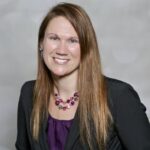
Margery Stanton is the President & COO of BestSelf Behavioral Health, where she has been part of the team for over 15 years. Across that time she has held a range of roles, each deepening her understanding of the agency’s mission and the people it serves. Beyond BestSelf, Margery is an adjunct professor at the University at Buffalo, where she is committed to supporting the next generation of behavioral health practitioners. At the heart of her work is a single goal: empowering everyone to be their BestSelf.

Jennifer Seib, LMHC, CASAC
Heidi Ginter, M.D., FASAM

Heidi Ginter, MD, FASAM is the National Medical Director of Addiction Medicine at Acadia Healthcare and Chief Medical Officer of CTC (Comprehensive Treatment Centers). Board-certified in both family and addiction medicine, Dr. Ginter has nearly two decades of experience treating substance use disorders.
Dr. Ginter earned her bachelor’s degree from Yale University, her MD from the University of Maryland School of Medicine and completed her family medicine residency at the University of Massachusetts Chan School of Medicine. Early in her career at the Edward M. Kennedy Community Health Center in Worcester, MA, she practiced the full spectrum of family medicine, including obstetrics, and was introduced to addiction medicine through managing methadone for incarcerated pregnant people with opioid use
disorder. This experience deeply impacted the trajectory of Dr. Ginter’s career as she became a passionate advocate for better substance use and mental health care for vulnerable, marginalized individuals.
As Dr. Ginter began trying to improve access to respectful, quality care, a key initiative in her early career was launching the first buprenorphine treatment program at her community health center. Dr. Ginter has since provided medical leadership across a range of settings, including opioid treatment programs (OTPs), inpatient withdrawal management, residential addiction treatment, outpatient office-based programs, and hospital addiction consult services. Her work has focused on building bridges between different levels of care, ensuring continuity and accessibility for patients.
In addition to her clinical leadership, Dr. Ginter is a nationally recognized speaker who advocates for reducing stigma and increasing public understanding of substance use disorders and their treatment. She envisions a future where everyone seeking treatment can access high quality, affordable, evidence-based care and whatever other resources they need to achieve recovery on their own terms, whenever and wherever they are ready.
Beyond Listening, The Next Stage Of Active AI & EMRs
Sponsored by: 
AI in the EMR has learned to listen. The question now is what it should do next.
For 22 years, Sigmund Software and Caron Treatment Centers have built something together that neither could have built alone. That work has reached a point worth talking about openly — and worth questioning.
Matthew Prete and Dr. Steven Klein will share what they’re seeing as the record stops being a place where care is documented and starts becoming part of how care happens. Some of it is further along than most people expect. Some of it raises questions the field hasn’t settled yet.
If you’ve wondered where this is actually heading — and what it will ask of clinicians when it gets there — this conversation is for you.
Steven Klein, M.D., Ph.D., FAAP
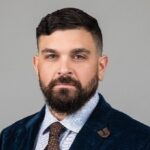
Dr. Steven Klein is a compassionate and highly accomplished physician-scientist specializing in addiction medicine. Dr. Klein is dedicated to advancing innovative, evidence-based approaches to support recovery for teens, young adults, and individuals facing relapse challenges. Dr. Klein’s mission is to transform addiction treatment by harmonizing genetic science, clinical expertise, and a steadfast dedication to recovery-centered compassion.
Matthew Prete
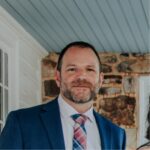
Matthew Prete started his career at Sigmund as a Senior Software Engineer. He was the lead engineer in the development of Sigmund’s industry-leading revenue cycle management system for behavioral healthcare and addiction treatment. Over the years, Matthew has been integral in the design and development of all Sigmund software, helping to push our technology in a fast-paced environment. Matthew was promoted to Chief Product and Information Officer to oversee all Application Development for VSS Medical Technologies as well as data center operations.
Using Data & Technology To Improve Recovery Outcomes
Despite ongoing investment in technology and digital infrastructure, many SUD providers still struggle with fragmented workflows, disconnected systems, and limited reporting and visibility into outcomes. These gaps can directly impact the ability to support long-term recovery.
This session will feature findings from Cantata Health Solutions’ 2026 national survey of SUD providers, highlighting how organizations are leveraging data, EHR functionality, and other digital tools to address operational complexity and strengthen care delivery. Attendees will gain practical insight into where providers are struggling the most today, which operational and technology investments are emerging as priorities, and how organizations are working to build more scalable SUD programs.
*Lunch Is Provided!
Christy Winter, LMSW
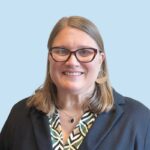
Christy Winter brings over a decade of experience in behavioral health and social services, combined with more than 12 years in product management. She started her career in a variety of clinical and leadership roles with behavioral health providers, focusing on Continuous Quality Improvement and program evaluation. Since 2013, Winter has directed product strategy at both established EHR providers and an AI-driven documentation company, focusing on innovative solutions to support clinical and operational needs.
She holds a bachelor’s degree in psychology from Emory University and a master’s in social work from Georgia State University. She is a licensed Master Level Social Worker (LMSW).

Meeting People Where They Are: The Future Of Accessible, Integrated SUD Care
Telehealth and integrated care offer major opportunities for addiction treatment providers, but they also introduce operational, clinical, regulatory and engagement challenges that make implementation complex. For addiction treatment executives, the difficulty is often balancing accessibility and convenience with consumer safety, compliance, and quality outcomes.
This session will explore how addiction treatment providers are implementing integrated care to reduce barriers to care, extend services to underserved communities, improve consumer engagement, and create more flexible treatment pathways. Executives will hear lessons learned around technology adoption, regulatory considerations, workforce integration, digital engagement, and balancing virtual and in-person care to meet the changing needs of today’s consumers.
Philip Hutson


Making The Shift To Leading In The Era Of AI
In this closing keynote, Monica E. Oss, Chief Executive Officer of OPEN MINDS, will examine the technology trends transforming behavioral health care and outline the strategic decisions executives need to make to maximize organizational performance. Participants will leave with a framework for aligning technology strategy with organizational priorities and actionable takeaways to help their organizations remain competitive in an increasingly digital health care environment.
Monica E. Oss

Monica E. Oss, M.S. is the founder of OPEN MINDS and serves as its chief executive officer, executive editor of its publications and websites, and executive lead of its consulting engagements. For the past three decades, Ms. Oss has led the OPEN MINDS team and its research on health and human service market trends and its national consulting practice. She is well known for her numerous books and articles focused on the strategic and marketing implications of the evolving health and human service field – and its focus on the verticals of the field serving consumers with chronic conditions and complex support needs.
Ms. Oss has extensive experience in developing and implementing growth strategies for a wide array of organizations in the field. She has expertise in industry trend analysis, reimbursement and rate setting, and creating actionable plans for market success. In her role, she has led numerous engagements with state Medicaid plans, county governments, private insurers, and health plans, service provider organizations, technology vendors, neurotechnology and pharmaceutical organizations, and investment banking firms – with a focus on the implications of financing changes on delivery system design.
Prior to founding OPEN MINDS, Ms. Oss served as an executive with a nationally managed behavioral health organization, responsible for market development, actuarial analysis, and capitation-based rate setting. She also held a position as vice president of the U.S. risk management and underwriting division of an international insurance company.
Ms. Oss has been the keynote speaker at the conferences of dozens of national associations and has been published in a wide range of professional journals and trade publications. She has provided Congressional and state legislative testimony on issues as diverse as the financial impact of parity and payer medication access policies.
Ms. Oss has led a range of industry research and consultation initiatives, serving as principal investigator on research projects that include the examination of national managed care enrollment and service patterns, development of provider rate structures for government entities, creation of return-on-investment models for technology investments; design of performance-based compensation models within public and private health plans; and analysis of the economic impact of changes in benefit design, adoption of evidence-based practices, and new technologies.